American Football Retro SVG: An Embroidery Review
As a professional embroidery digitizer and product reviewer, I approach every new graphic asset with a specific question: will this actually stitch out well on fabric? When evaluating the American Football Retro SVG Sublimation design, my first impression is that it captures a nostalgic, varsity-inspired aesthetic that is currently trending in the handmade market. The retro style typically implies bold lines, distressed textures, and classic typography, all of which can translate beautifully into thread if handled correctly. However, because this asset is marketed primarily for sublimation and comes as a vector-based graphic rather than a pre-digitized machine embroidery design, it requires a critical eye before you load it into your software or send it to production.
Translating Vector Graphics to Stitch Logic
The product description highlights that this file is made with 100% vector shapes and includes AI, EPS, SVG, and PNG formats. For an embroidery designer, this is excellent news. Vectors provide clean, mathematical paths that are essential for accurate auto-digitizing or manual tracing. Unlike raster images where pixels can blur during the digitizing process, the crisp edges of this American Football Retro SVG Sublimation file allow for precise node placement. This means your satin stitch borders will be smooth, and your fill stitch areas will have defined boundaries without jagged artifacts.
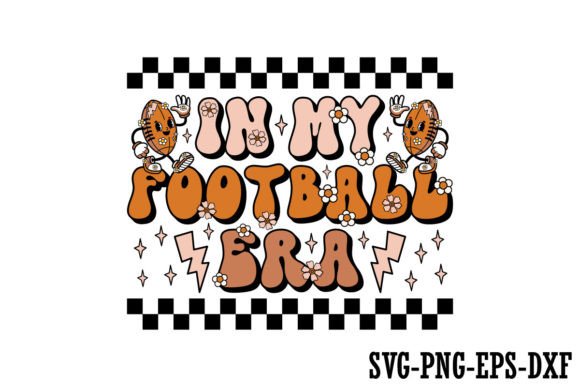
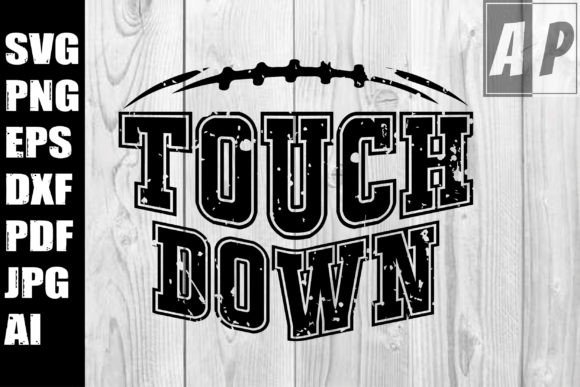
However, vectors designed for print often contain details that are too fine for needle and thread. Before using this as an embroidery file, you must assess the complexity of the retro distressing. If the design features heavy grunge textures or tiny speckles intended for ink, these must be simplified. Attempting to stitch every pixel of a sublimation texture will result in excessive stitch density, thread breaks, and a stiff, bulletproof finish. My recommendation is to use the vector paths as a guide to create solid shapes suitable for embroidery, perhaps replacing complex printed shading with textured fill stitches or layered thread colors to achieve that vintage feel without compromising the fabric's drape.
Real-World Application: The Custom Sweatshirt Test
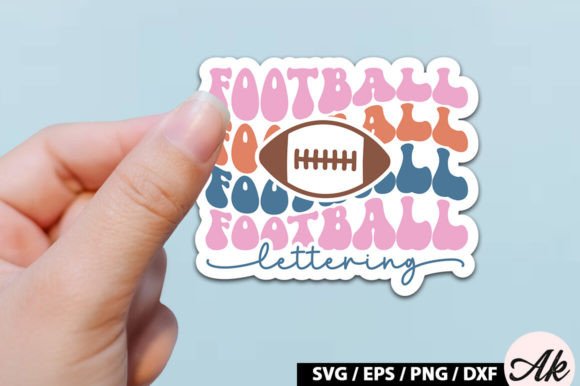
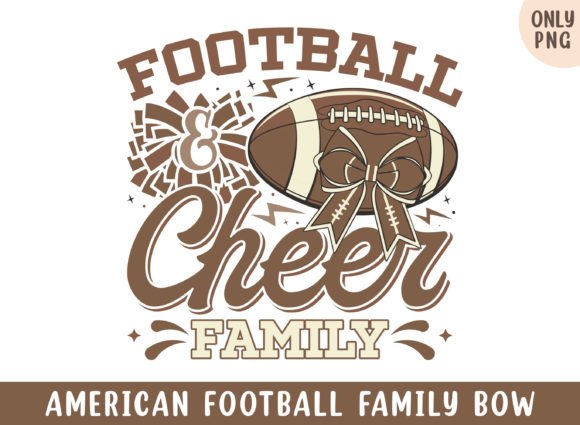
To truly judge the viability of this design, I mentally applied it to a current client request: a custom apparel order for a high school football booster club. They wanted a retro-style sweatshirt that felt like vintage merchandise but with modern durability. The American Football Retro SVG Sublimation design fits this brief perfectly in terms of visual mood. The layout likely centers around a helmet or player silhouette with arched text, which is ideal for chest placement on a crewneck sweatshirt.
In this scenario, the design’s performance depends heavily on how you manage the interaction between the graphic and the garment. Sweatshirt fleece is stable but thick. Because the design is retro, it invites the use of applique techniques. Instead of filling the entire football helmet with thousands of stitches, I would utilize the vector outlines to create an applique design. Using a running stitch for the placement line and a satin stitch for the tack-down allows the fabric texture to show through, reducing stitch count significantly while enhancing the tactile, handmade quality. This approach makes the finished product softer and more wearable, which is a major selling point for Etsy sellers and boutique owners focusing on comfort.
Navigating Fabric Limitations and Hoop Sizes
While the aesthetic is versatile, practical application requires caution regarding where you place this design. Retro sports graphics often look fantastic on tote bags and caps, but these substrates present unique challenges. For a tote bag design, the canvas texture is forgiving, but you must ensure the stabilizer is robust enough to prevent puckering around large fill areas. If the American Football Retro SVG Sublimation design includes small lettering typical of vintage athletic wear, be wary of stitching it on textured fabrics like terry cloth or pique knit. Small serif fonts or distressed typefaces can get lost in the pile, resulting in illegible text and a messy appearance.
Caps are another area requiring careful evaluation. Curved surfaces distort designs, and retro graphics often rely on perfect symmetry. If you plan to use this for hat embroidery, verify that the aspect ratio fits within your cap frame’s safe zone. You may need to separate the elements of the design, stitching the text separately from the central icon to accommodate the curve. Additionally, avoid placing dense satin stitches near the seam of a cap, as the needle deflection can cause registration issues. Always test the design on a scrap piece of similar weight and texture before committing to a final commercial embroidery project.
Commercial Value and Customer Perception
For creative entrepreneurs and small shop products, the value of this asset lies in its adaptability. A well-executed retro football design appeals to a broad demographic, from parents buying baby embroidery items for game day to adults seeking personalized gifts. However, customer trust is built on execution. A design that looks pixelated or feels overly stiff devalues the brand. By leveraging the editable nature of the included AI and EPS files, you can customize the thread colors to match specific team palettes or seasonal trends. This level of customization transforms a generic digital embroidery file into a proprietary design asset that sets your shop apart.
When listing finished products online, presentation matters. Use the provided PNG file to create printable mockups for your listings, but ensure your photos accurately represent the stitched texture. Buyers need to see how the retro style translates to thread. Highlighting the "easy to change colors" feature in your marketing can also attract customers looking for personalized variations. Just remember to confirm the licensing terms included with the download. While the file description mentions commercial usability, always verify whether you are licensed to sell the digital embroidery file itself or only the physical finished product. Protecting your business starts with respecting intellectual property rights.
Essential Designer Notes for Success
Before you begin stitching, treat the American Football Retro SVG Sublimation file as a blueprint rather than a final pattern. Since exact stitch counts and hoop sizes are not specified, you must perform your own validation. Start by importing the vector into your embroidery software and checking the dimensions against your available hoop size. Resize proportionally to maintain the integrity of the retro proportions; stretching a vintage design can make it look unintentionally distorted.
- Simplify for Stitch: Remove any sublimation-specific gradients or halftones that cannot be replicated with thread. Replace them with color blocks or textured fills.
- Test Contrast: Retro designs often use muted or tonal color schemes. Test your thread colors on both light and dark fabric backgrounds to ensure the design remains visible and legible.
- Stabilizer Selection: Match your stabilizer to the fabric weight. Use cut-away for stretchy knits and tear-away for stable wovens to prevent distortion during the stitching process.
- Mockup Validation: Create black and white mockups to check value contrast. If the design relies solely on color differentiation without value contrast, it may fail when stitched in monochrome or low-contrast team colors.
- Wash Testing: If producing items for frequent washing like baby clothes or kitchen towels, perform a wash test to ensure the stitch density holds up and the retro distressing doesn't unravel.
Ultimately, the American Football Retro SVG Sublimation design offers a strong foundation for crafters and professionals alike. Its vector construction provides the flexibility needed for high-quality embroidery adaptation, provided you apply sound digitizing principles. By respecting the limitations of thread and fabric, and by testing thoroughly before production, you can transform this digital graphic into a profitable, professional-grade embroidered product that resonates with customers and celebrates the timeless appeal of retro sports aesthetics.